Research • Comparative Literature
Chekhov Cross-Cultural Research
Fall 2025
Purdue University
Undergraduate Research Symposium
"Chekhov's Literary and Cultural Legacy in Viet Nam"
I presented this research at Purdue University's Undergraduate Research Symposium in
Fall 2025. The symposium provided an opportunity to share findings with the Purdue
community, receive feedback from faculty and peers, and discuss potential future
directions for the project.
Research
Comparative Literature
Cultural Studies
Translation Analysis
Documentation
Project Overview
This research examines Anton Chekhov's profound influence on Vietnamese writers Nam Cao and
Nguyễn Tuân through comparative close reading of original Russian texts, Vietnamese translations,
and critical scholarship spanning 1950 to the present.
The central question: how does Chekhovian realism, of its psychological depth, moral ambiguity,
and quiet social critique, travel across radically different cultural and historical contexts?
Research Timeline
Phase 1 - Literature Review
September 2025
Review of existing scholarship on Chekhov's influence, translation studies, and Vietnamese literary history. Established theoretical framework and research methodology.
Phase 2 - Primary Source Analysis
October 2025
Close reading of selected Chekhov works in Russian and Vietnamese translations. Documented translation choices and cultural adaptations across multiple versions.
Phase 3 - Comparative Analysis
October - November 2025
Systematic comparison of narrative techniques, character development, and thematic elements. Identified patterns of cultural adaptation.
Phase 4 - Synthesis & Writing
November 2025
Synthesizing findings into written paper and presentation. Exploring connections between literary translation and cross-cultural design principles.
Key Themes
Belikov, Chí Phèo, and Huấn Cao are victims of their social environments. They are dehumanized by systems that manufacture outcasts through collective indifference rather than individual cruelty.
Burkin's ridicule in The Man in a Case mirrors the village's prejudiced chorus in Chí Phèo. Truth lives between the lines, not in what narrators claim.
The most destructive forces are quiet: conformity, social judgment, collective indifference wearing characters down without a single overtly violent act.
Nam Cao's distinct contribution: intellectuals like Thứ in Sống mòn trapped between colonial material precarity and the aspiration for ethical, meaningful work.
Nguyễn Tuân's condemned calligrapher Huấn Cao maintains artistic integrity before execution, showing art as spiritual resistance, beauty as the last act of defiance.
Ranevskaya's orchard and Huấn Cao's final brushstroke both glow at the threshold of collapse, when dignity shines brightest at the moment of historical rupture.
Comparative Analysis
"Across their Russian and Vietnamese settings, they center the fragile, ethically struggling individual and reveal how dignity endures even amid upheaval."
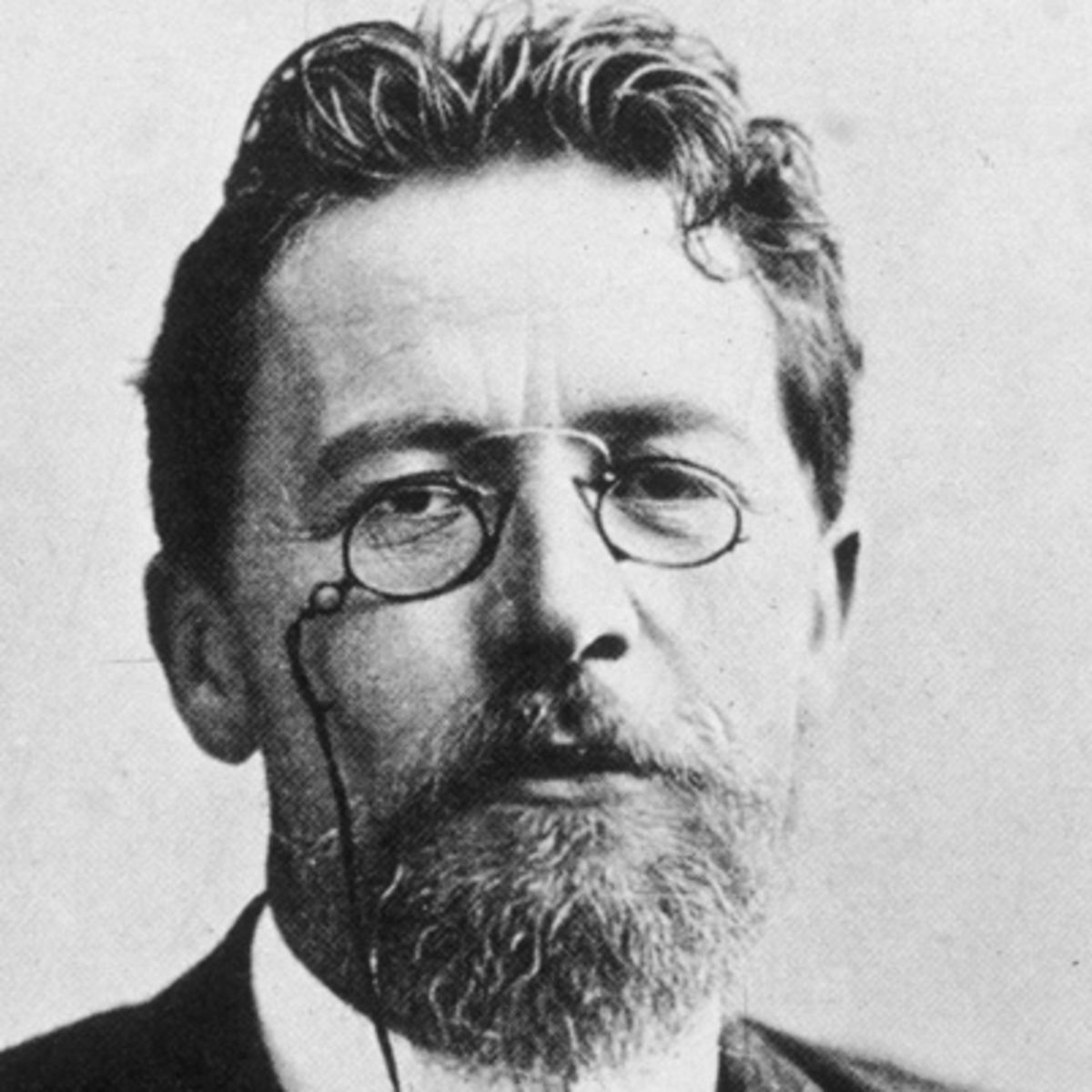
Anton Chekhov
Russia, 1860 - 1904
- Psychological realism
- Quiet tragedy of ordinary life
- Moral inertia & existential fragility
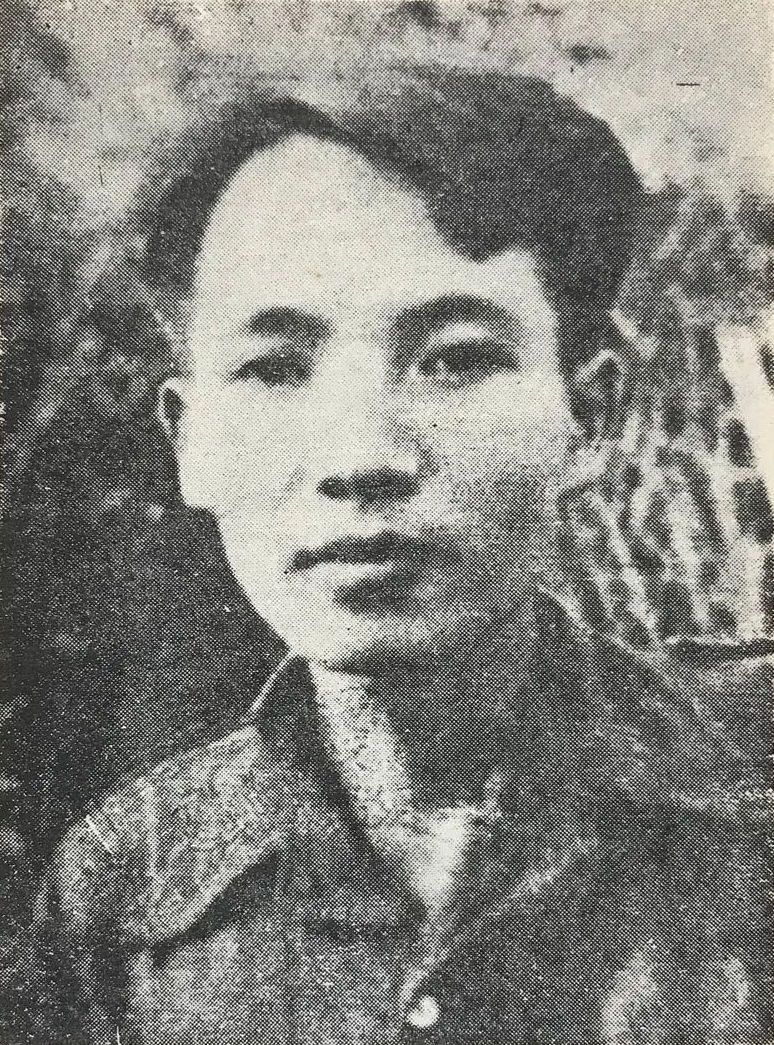
Nam Cao
Vietnam, 1915 - 1951
- Social realism under colonialism
- Systemic dehumanization
- Intellectuals' spiritual crisis
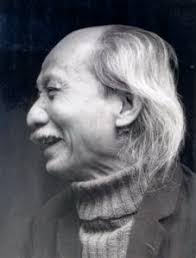
Nguyễn Tuân
Vietnam, 1910 - 1987
- Aestheticized moral heroism
- Art as spiritual resistance
- Ceremonial, elevated prose
Research Outputs
Research Presentation
November 19, 2025 · 16 Slides
Working Paper
November 2025 · 12 Pages
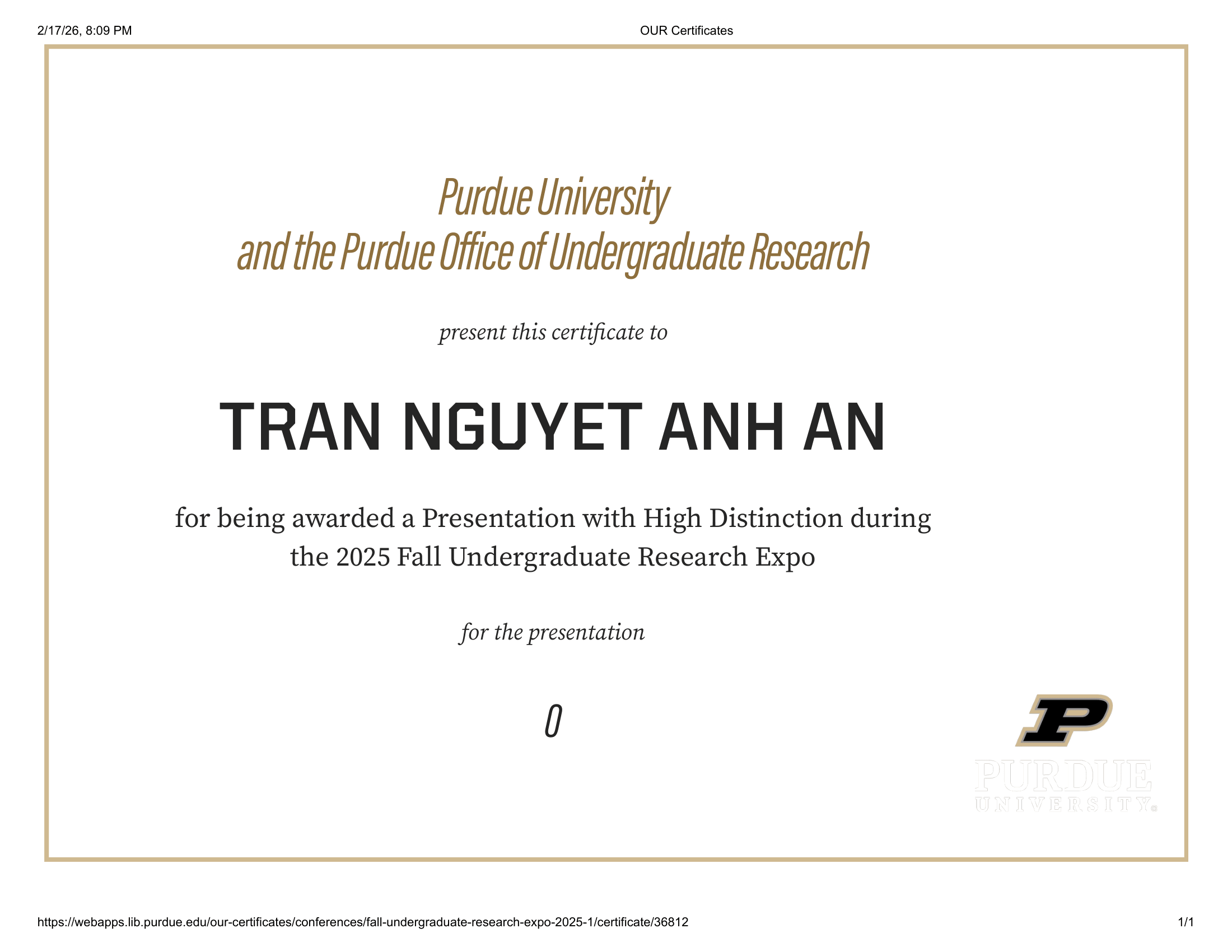
Research Certificate
I was awarded this certification upon completion of the research project under the mentorship of Prof. Olga
Lyanda-Geller, recognizing the comparative analysis of Anton Chekhov's literary influence
across Russian and Vietnamese literary traditions.
What I Learned
- Cultural context is indispensable - Surface-level comparison misses the deeper structural parallels that only emerge through historical understanding
- Translation is interpretation - Every linguistic choice encodes a cultural value judgment that reshapes the source text's meaning
- Literary analysis scales - The frameworks for understanding narrative unreliability and social critique translate directly to cross-cultural design thinking
- Influence is never simple transmission - Vietnamese writers didn't copy Chekhov; they transformed him through the pressures of colonialism, war, and distinct aesthetic traditions